
Official Store
8381-2 Rue Berri, Montréal, Quebec, H2P 2G3
Choose this branchNews ·
By Les Délices Feuillus
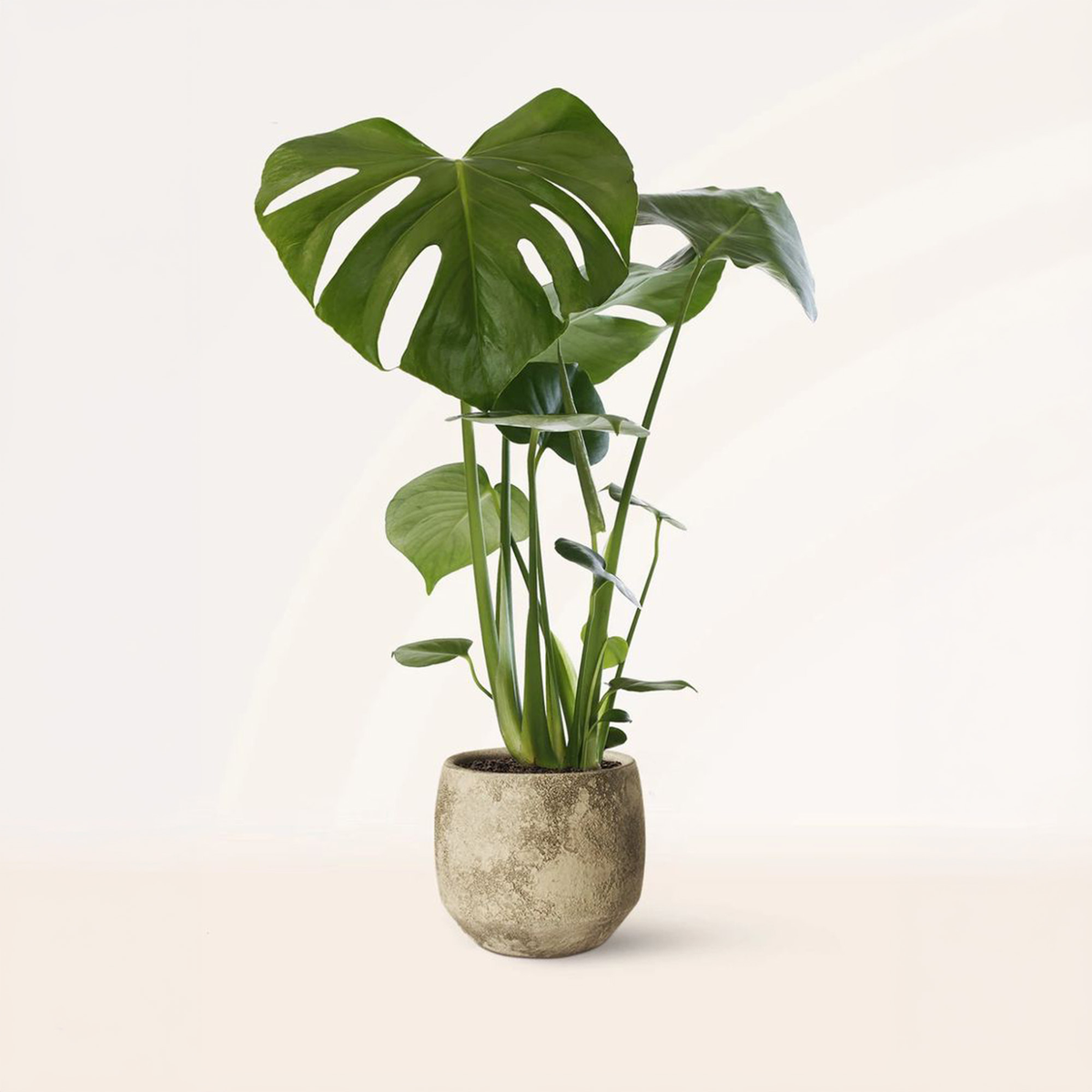
The advice everywhere is bright indirect light and water when dry, and both matter, but the thing most collections actually fail on is humidity — the one condition a Quebec home changes the most between a plant's origin and its windowsill.
Thailand runs 70–90% relative humidity most of the year. A furnace-heated apartment in January can sit at 20–25% — drier than most deserts. That gap is why a plant can look fine in September and be crisping at the edges by December, with nothing else in its care having changed.
Root rot and pest damage can look similar from a distance; humidity stress is the one that tracks with the furnace turning on for the season.
Misting does not — it wets the leaf surface for a few minutes and is gone. Three things that do:
A sealed terrarium for anything with real size to it — airflow matters as much as moisture, and stagnant humid air is how fungal spotting starts. And skip glossy leaf-shine products entirely; they clog the pores a leaf breathes through.
You are not recreating Thailand in a Montréal apartment, and you do not need to. Most of what we sell adapts to 40–50% comfortably once it has settled in — well below its origin, well above what a dry furnace gives it for free. Close that gap partway and the crisping stops.

