
Official Store
8381-2 Rue Berri, Montréal, Quebec, H2P 2G3
Choose this branchNews ·
By Les Délices Feuillus
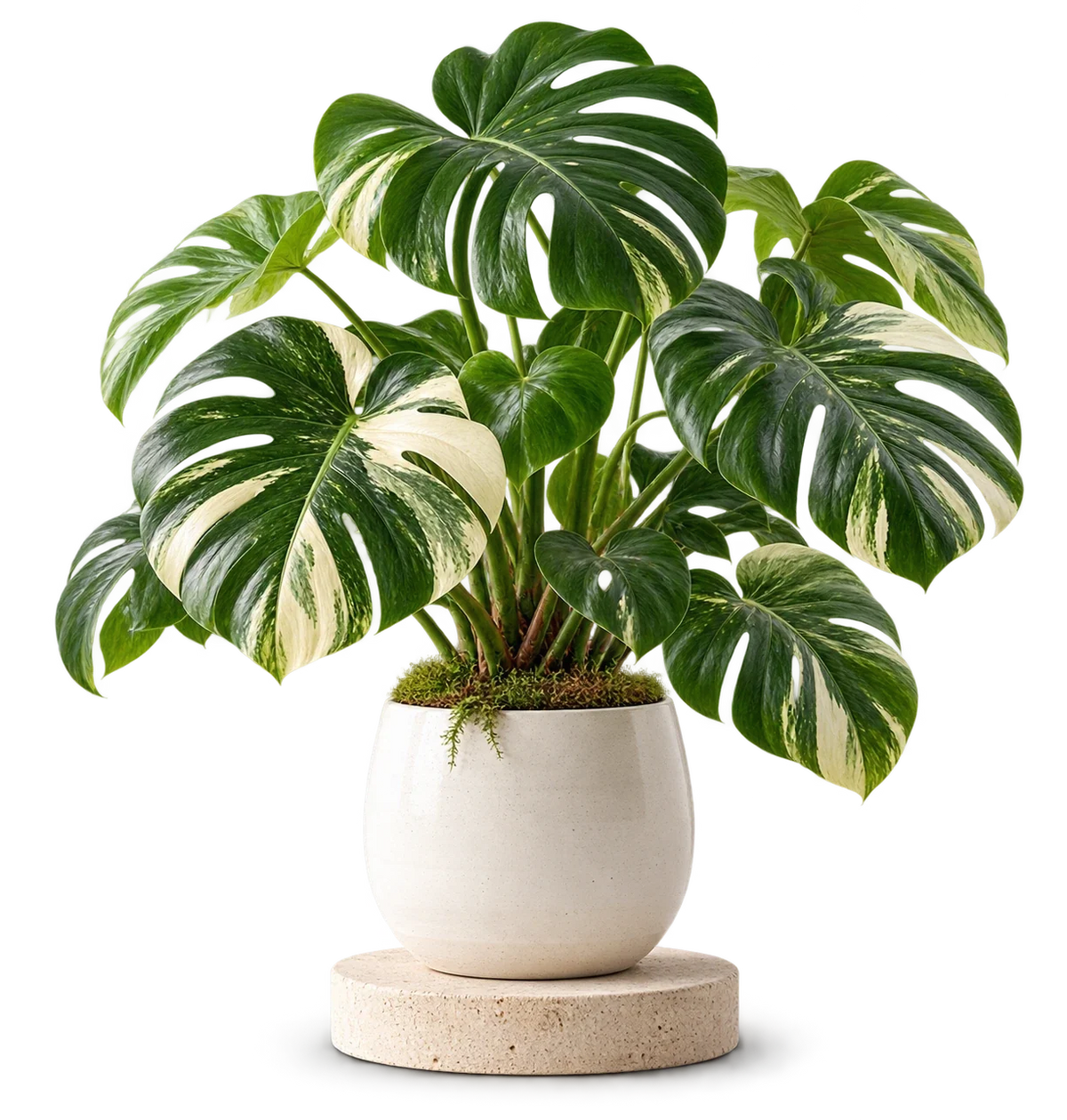
Repotting is the first thing many people reach for when a plant looks unhappy, and it is rarely the answer. It is almost never the answer for a plant that has just been imported: the roots are already disturbed, and moving them again is the last thing they need.
Give an imported plant at least four to six weeks in the pot it arrived in, and ideally wait until it has pushed out a new leaf. That leaf is the proof the roots have taken hold. Repotting before it comes sets the plant back weeks.
Do not repot a plant that has just arrived, is flowering, is opening a new leaf, or is showing rot. With rot the pot is not the problem: lift the plant, cut away anything soft and brown, and let it recover in fresh airy mix at the same size.
Two to three centimetres more in diameter, not ten. A pot much larger than the root ball holds water the roots cannot reach, and that wet reservoir is where rot starts. A slightly snug pot dries evenly and grows a better plant.
Aroids evolved climbing trees, roots in bark and leaf litter rather than soil. Roughly equal parts orchid bark, perlite or pumice, and coco coir, with a little charcoal if you have it. Bagged potting compost is too dense for almost everything we sell.
Water it in, then leave it alone. Out of direct sun for a fortnight, no feeding for a month. A little wilting in the first days is normal; new growth within six weeks means it worked.

